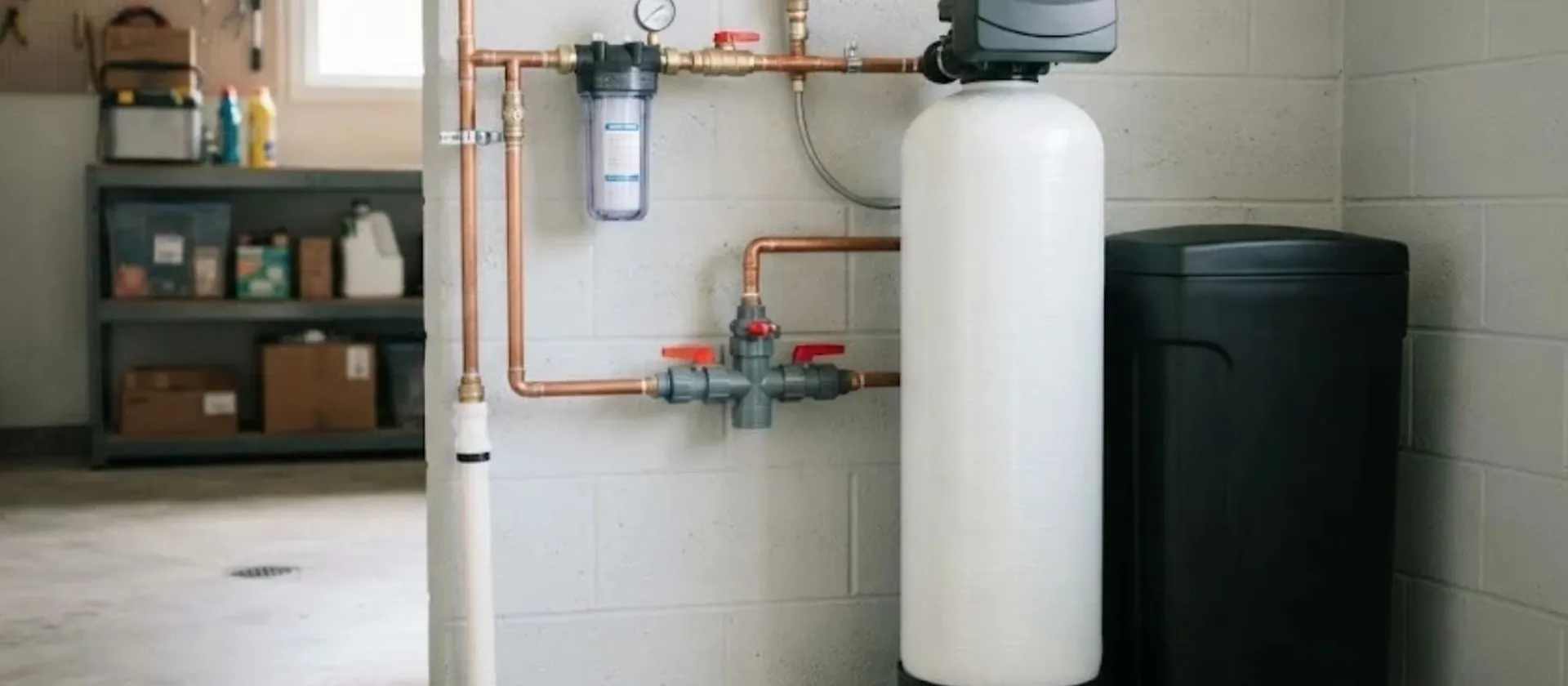
Rain that lands on a Saratoga roof is soft, free and plentiful in a wet winter. It is also not clean. It picks up bird droppings, leaf debris, roofing dust and airborne particles on the way to your gutter. A rain water filtration system is meant to remove the worst of that, and what you can safely do with the result depends on how far you take the treatment.
This guide separates three uses: watering plants, flushing toilets and drinking. Each needs a different level of filtering, and each carries different rules. We start with the simplest and work up.
Three uses, three levels of treatment
| Use | Typical treatment | Notes |
|---|---|---|
| Garden irrigation | Screen at the gutter and a sediment filter | Lowest risk, widely done with rain barrels. |
| Toilet flushing and laundry | Sediment filter, carbon filter, sometimes UV | Needs separate plumbing that never mixes with drinking water. |
| Drinking and cooking | Multi-stage filtration, UV or other disinfection, testing | Highest risk, rules vary, check before you build. |
Most homeowners start with irrigation and stop there, which is a good place to stop. Taking rain into the house adds plumbing, permits, maintenance and a need for regular water tests.
What a filtration system does
First flush and screen
A diverter discards the first dirty runoff, and a screen catches leaves.
Sediment filter
A cartridge or bag filter catches grit and fine particles.
Carbon filter
Activated carbon removes some chemicals, taste and odor.
Disinfection
Ultraviolet light or another method treats bacteria and viruses. This step is essential for any use near people.
A filter cartridge clogs and must be replaced on a schedule. A UV lamp loses strength and must be replaced yearly. A system that nobody maintains is worse than none, because it looks safe and is not.
The compare you should make first
Harvest rain for the garden
- Simple barrel or tank with a screened inlet.
- No plumbing into the house.
- Low maintenance.
- Cuts outdoor water use in dry months.
Bring rain into the house
- Needs separate plumbing and backflow protection.
- Requires filtration, disinfection and testing.
- Higher cost and ongoing maintenance.
- May need permits and inspection.
Sizing a tank to your roof and your use
A roof sheds a lot of water. A square foot of roof collects about six tenths of a gallon for every inch of rain. A modest roof in a wet month can fill a barrel in a single storm, which is why overflow planning matters. Send the overflow away from the foundation, not toward it.
Match storage to use. A garden might need a few hundred gallons to ride out a dry month. A system for toilets and laundry needs more, along with a pump and a backup connection to the city supply for dry spells. Bigger tanks cost more and need a firm, level base.
Roof and gutter materials matter
Some roofing materials leach into runoff. Treated wood shakes, older asphalt shingles and copper flashing can add substances you do not want near edible plants or in the house. Metal and clay tile are generally cleaner. Ask a roofer about your roof before you commit to using the water for anything but ornamental plants.
Certifications worth checking
Parts that touch drinking water should be certified to NSF/ANSI Standard 61, and ultraviolet units should be certified to NSF/ANSI Standard 55. Filters that reduce chemicals and particles are covered by NSF/ANSI Standards 42 and 53. A system without these marks cannot show it was tested.
Rainwater, tap water and rules around Saratoga
San Jose Water Company supplies most Saratoga homes, and its water quality report lists hardness by source. Groundwater reads roughly three times harder than Valley Water imported surface supply. Rainwater is soft, so it can reduce scale if used for laundry or irrigation of container plants.
Practical meaning: if you are considering rain because your tap water is hard, compare the cost of a rain system against a water softener and filter first. A softener treats the water you already pay for and does not depend on weather.
Rules about indoor use of collected rain vary. Ask the City of Saratoga building division and the Santa Clara County environmental health office what applies to your address. Any connection between rainwater plumbing and the drinking water supply needs backflow protection, which keeps rain from flowing back into the public system.
Sources: San Jose Water Company annual water quality report. Santa Clara County and City of Saratoga permit offices for local requirements.Plumbing and backflow
If you plumb rain to toilets or laundry, the system must be physically separate from drinking water. Pipes are marked, and an air gap or a backflow preventer protects the public supply. This is the point where a licensed plumber is not optional.
Our plumbing installation page describes how we handle new lines. Outdoor spigots that tie into a rain system also need a backflow preventer. Ask about it when you plan.
Maintenance you will actually do
Clean gutters and screens before the first heavy rain and after big wind storms. Replace sediment cartridges on the schedule in the manual. Replace UV lamps annually. Test the water for bacteria if anyone will use it indoors. Keep a log.
If you do not want a maintenance routine, a barrel with a screened lid for the garden may suit you better. Los Gatos readers can see our Los Gatos page for service coverage.
Questions to ask any installer
Ask what the system treats and what it does not. Ask how the first flush is handled. Ask what permits are needed and who files them. Ask for a maintenance schedule in writing. Ask what a water test costs and how often it should be done. Walk away from anyone who promises drinking-quality water without testing it.
Plumbing problem right now?
Call the 24/7 line and a dispatcher will plan the next step with you.
Questions Saratoga Homeowners Ask
Not without treatment and testing. Rainwater picks up contaminants from the roof and gutters. Rules vary, so check with local offices before using it for drinking.
Yes. A screened barrel or tank is a common, simple setup.
For indoor plumbing, usually yes. Ask the City of Saratoga building division about your address.
Rain is naturally soft, so it can help in some uses, but it does not treat your tap water.
It depends on your goal. A softener treats the municipal supply you use daily.